
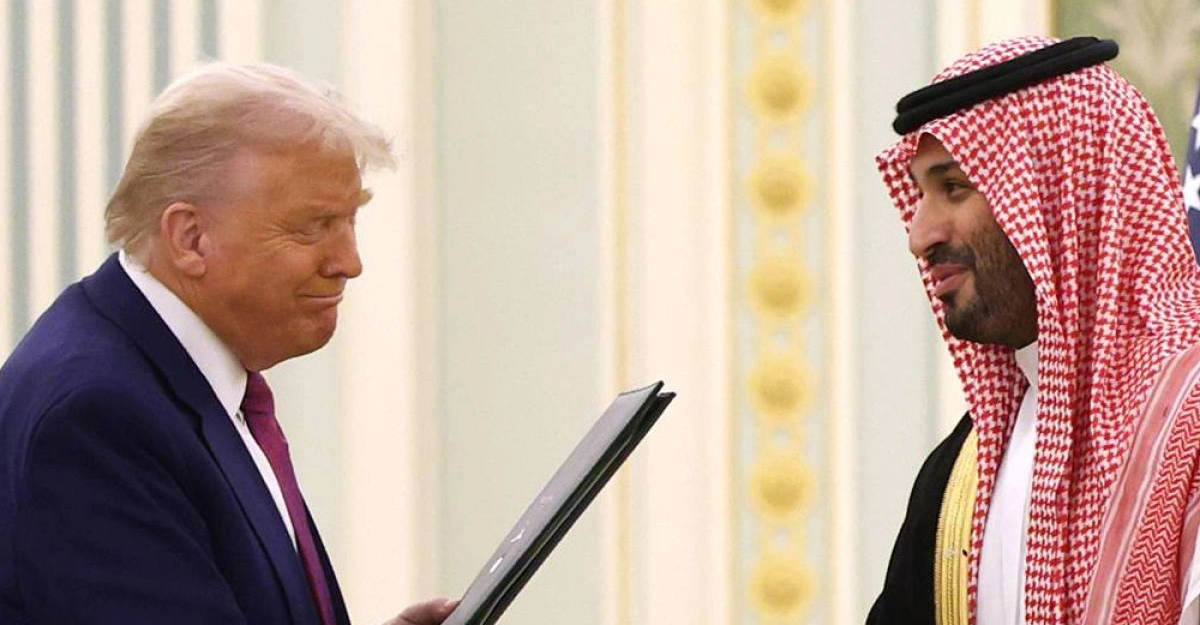
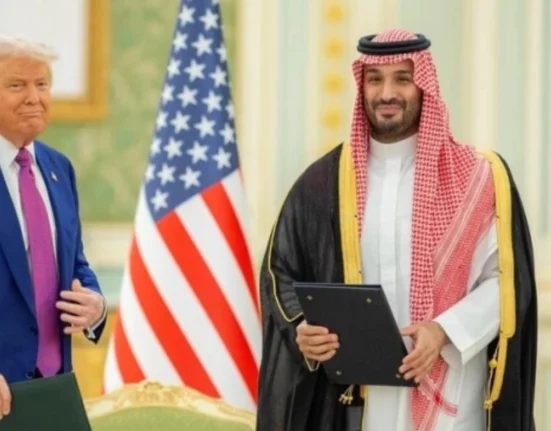
RIYADH / WASHINGTON — In a bid to defuse mounting regional conflict, Saudi Crown Prince Mohammed bin Salman and U.S. President Donald Trump held a high-stakes telephone call on Sunday, the Saudi Press Agency (SPA) reported.
According to SPA, the Crown Prince emphasized the urgent need to prioritize dialogue to ease tensions, urging all parties to make every effort toward securing a truce that lays the foundation for diplomatic solutions. He cautioned that failure to de-escalate risks dragging the region into a broader conflict with severe global and regional security implications.
Following the diplomatic engagement, President Trump announced he was holding off on a planned wave of military strikes against Iran. He claimed that Middle Eastern allies had established the framework of a agreement to end the five-month-old war.
“Based on this request, I have agreed, for the future benefit of the WORLD and, likewise, the survival of a successful and prosperous Iran, to cancel the attack, subject to being able to rapidly make a DEAL,” Trump posted on social media late Saturday, adding that Israel supported the position.
According to Trump, the proposed deal would mandate the “Immediate, Complete, and Total OPENING OF THE HORMUZ STRAIT” and eliminate Iran’s nuclear threat.
Tehran Denies Seeking Halt
Iran swiftly rejected Washington’s account of the developments. State-affiliated Mehr news agency cited Iranian military officials on Sunday dismissing Trump’s claims that Tehran asked the U.S. to hold off on strikes as “nothing but a new lie.” Officials added that Iranian armed forces remain on high alert and “ready for any eventuality.”
The sudden turn of events comes just a day after Trump signaled the U.S. was prepared to resume heavy military strikes to force Tehran back to the negotiating table.
The U.S. and Israel launched joint strikes against Iran on February 28, initiating a war Washington said aimed to neutralize Tehran’s missile capabilities, prevent it from acquiring nuclear weapons, and sever support for its proxy forces. However, objectives have repeatedly shifted over the five-month campaign, and a previous cease-fire agreed upon in mid-June collapsed within weeks.
Maritime Turmoil and Escalating Risks
Despite the pause in direct strikes over the weekend, regional friction remains dangerously high. Tehran has effectively restricted commercial transit through the Strait of Hormuz since the war began, forcing non-exempt vessels to seek clearance and pay transit fees.
The strategy has severely disrupted global shipping. Maritime intelligence firm Kpler reported Friday that vessel traffic through the critical choke-point has dropped sharply. Unclaimed attacks on commercial shipping have also spread beyond the Gulf:
Egyptian Coast: A drone strike hit a U.S.-owned gas vessel docked at an Egyptian port on Wednesday, triggering a fire. Egyptian authorities are currently investigating.
Oman Coast: A British maritime agency reported Saturday that an “unknown projectile” struck an oil tanker off Oman’s coast.
Amid warnings of an “unforeseen escalation,” U.S. embassies across Middle Eastern capitals issued advisories on Saturday urging American citizens to remain vigilant and prepare for potential departure.


Leave feedback about this